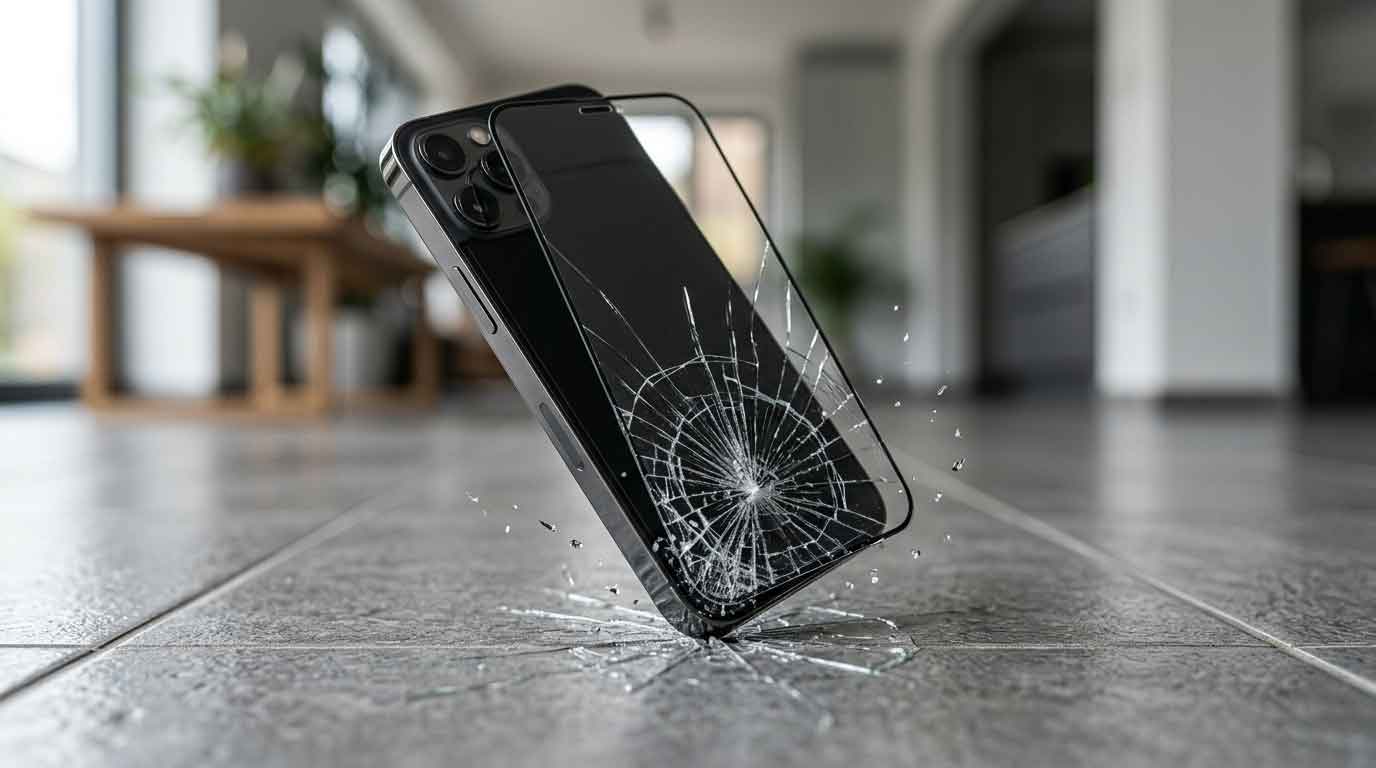
I still remember the day I dropped my phone for the first time. It was a Tuesday morning, I was rushing out the door with a coffee in one hand and my phone in the other, and somehow it slipped right out of my fingers. The screen hit the edge of a tile floor, and for a solid three seconds, I just stood there, frozen, afraid to pick it up and look. When I finally did, there it was a spiderweb crack running diagonally across the display. That moment taught me something I should have known all along: mobile glass is not as tough as we like to think, and protecting it is not optional if you actually care about your phone.
Since then, I have become somewhat obsessed with understanding everything about mobile glass how it is made, why it breaks the way it does, what kind of protection actually works, and how to choose the right one without getting fooled by marketing gimmicks. In this post, I want to share everything I have learned, in a way that is honest, practical, and hopefully saves you from the heartbreak I went through.
What Exactly Is Mobile Glass?
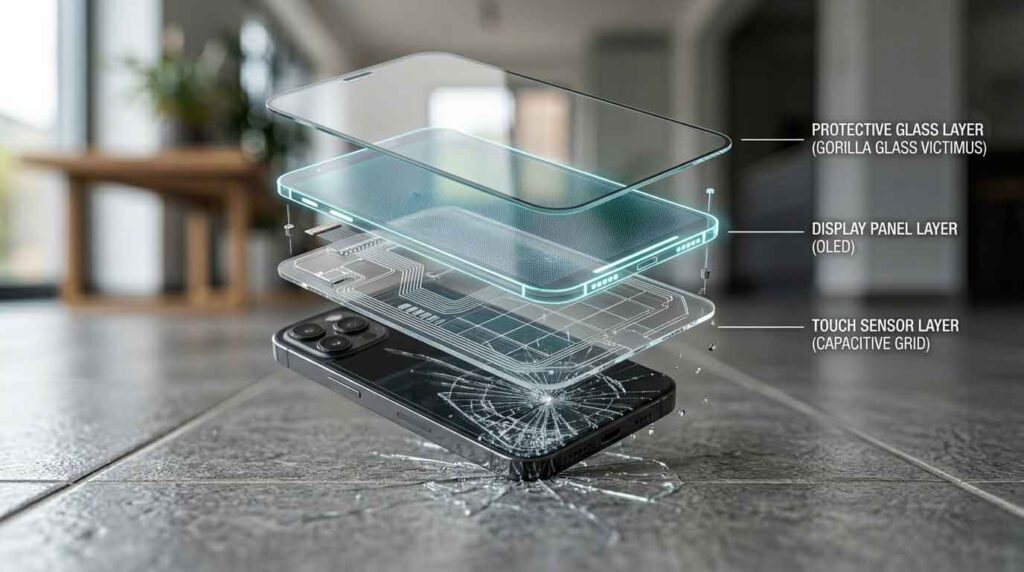
When we talk about “mobile glass,” most people assume we are simply talking about the screen on the front of the phone. But there is actually more nuance to it than that. The glass on your phone usually refers to two things: the display glass, which sits directly above the screen and is what you touch every single day, and the back glass, which many modern smartphones now use instead of plastic or metal for a more premium look and better wireless charging support.
Most flagship phones today use some form of aluminosilicate glass, often branded under names like Gorilla Glass, Dragontrail, or Ceramic Shield. These are not your average kitchen window glass. They are chemically strengthened through a process that makes them resistant to scratches and minor impacts. However and this is the part most people do not realize “resistant” does not mean “indestructible.” Strengthened glass is still glass, and glass has a breaking point.
Why Does Mobile Glass Crack So Easily?
This is the question I get asked most often by friends and family, usually right after they have just cracked their own screen. The answer comes down to physics, and honestly, once you understand it, it makes a lot of sense.
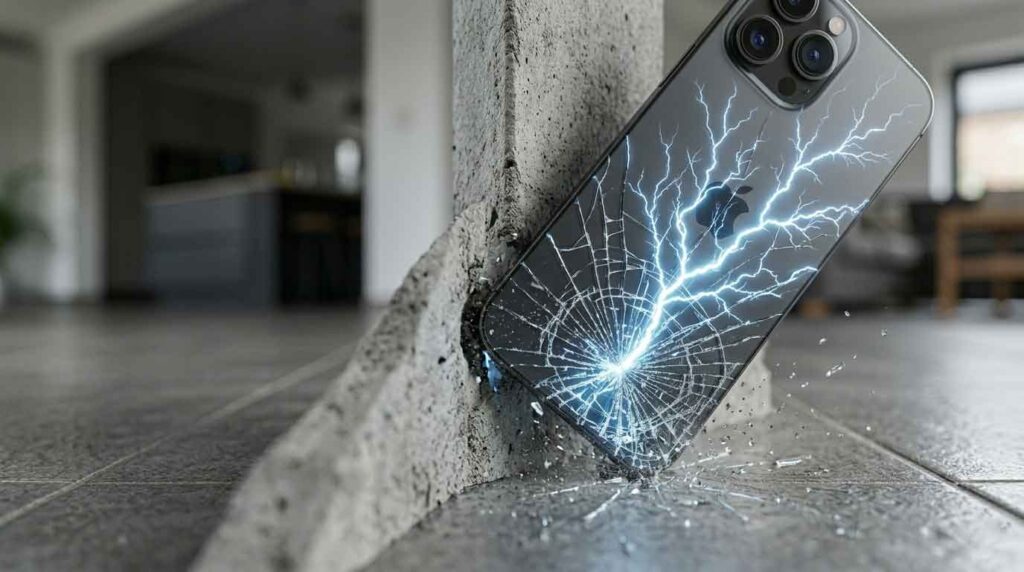
Glass is rigid, which is great for resisting scratches, but that same rigidity makes it brittle when it comes to sudden impact. Unlike plastic, which can flex and absorb shock, glass tends to concentrate stress at a single point of contact. When your phone falls, the energy of the impact does not spread out evenly. Instead, it focuses right where the phone makes contact with the ground, especially if that contact point is a corner or an edge.
Corners are the most vulnerable part of any phone. If you have ever noticed that most cracked screens start from a corner and spread outward in a web pattern, that is not a coincidence. Corners have less surface area to distribute force, so the glass underneath cracks almost instantly upon impact.
Another factor that plays a huge role is the surface your phone lands on. Dropping a phone on a soft carpet from waist height is far less risky than dropping it from your pocket onto a hard tile or concrete floor. The harder and more uneven the surface, the more concentrated and damaging the impact becomes.
Temperature also matters more than people realize. Glass becomes slightly more brittle in cold conditions, which is part of why phones seem more prone to cracking during winter months or after being left in a cold car.
The Real Cost of a Cracked Screen
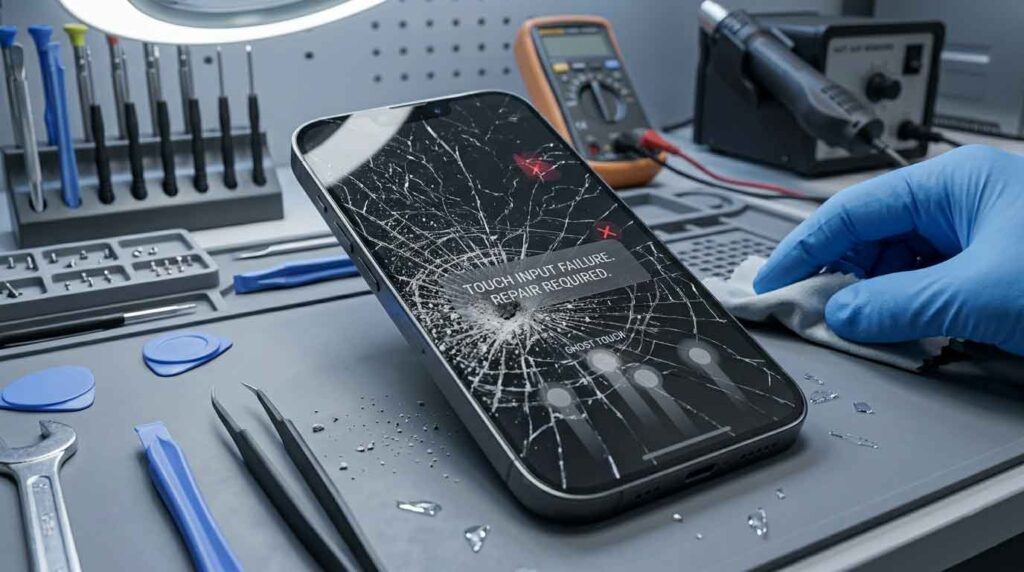
A cracked screen is not just an aesthetic issue, although I will admit that alone is frustrating enough. The real problems start once moisture, dust, or further impact gets through that initial crack. A spider-cracked screen often becomes increasingly unresponsive over time, with certain areas of the touchscreen failing to register taps accurately. In more severe cases, the display itself can be damaged, leading to discoloration, flickering, or complete failure.
Then there is the financial side of things. Screen replacement costs have gone up significantly in recent years, especially for flagship phones that use advanced OLED panels integrated with the glass layer. Depending on your phone model, a screen repair can range anywhere from a relatively reasonable fee to an amount that makes you question whether buying a new phone might actually be cheaper. I have personally seen repair quotes that made me wince, and I am sure many of you reading this have experienced the same sticker shock.
And let us not forget resale value. If you ever plan to sell or trade in your phone, a cracked screen can tank its value significantly, sometimes cutting the resale price by more than half.
Tempered Glass vs Plastic Screen Protectors
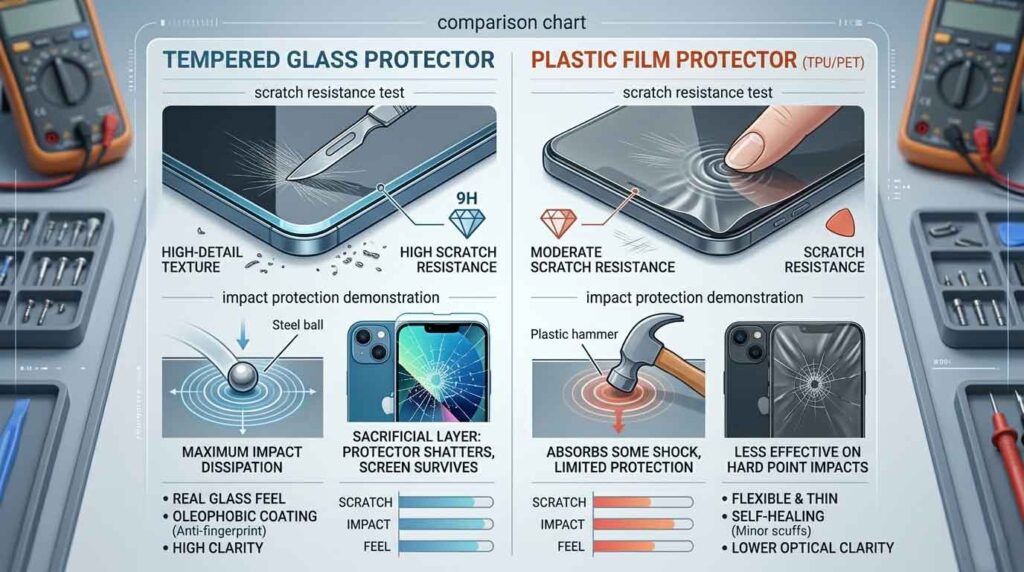
Once I understood how vulnerable mobile glass really is, I started researching protection options seriously. The two most common choices are tempered glass protectors and plastic film protectors, and the debate between them never seems to end.
Plastic protectors, often made of TPU or PET material, are thinner, more flexible, and generally cheaper. They are great at preventing scratches and can sometimes absorb minor impacts due to their flexibility. However, they tend to lack the hardness needed to prevent cracks from sharper or harder impacts, and many people find that they affect touch sensitivity slightly, along with reducing screen clarity over time as the plastic scratches and dulls.
Tempered glass protectors, on the other hand, are made from chemically treated glass that mimics the hardness of the phone’s actual screen. They offer significantly better scratch resistance and tend to do a much better job absorbing impact, since the protector itself often takes the brunt of the damage during a drop, sacrificing itself instead of your actual screen. The trade-off is that they are slightly thicker, can sometimes affect the feel of swiping gestures if not applied correctly, and are a bit more expensive than plastic alternatives.
In my personal experience, after going through multiple plastic protectors and being unimpressed by their performance, I switched entirely to tempered glass and never looked back. The peace of mind alone is worth the slightly higher price.
Note: If you interest to buy perfect screen glass for your phone, So check list on amazon.
Choosing the Right Mobile Glass Protector
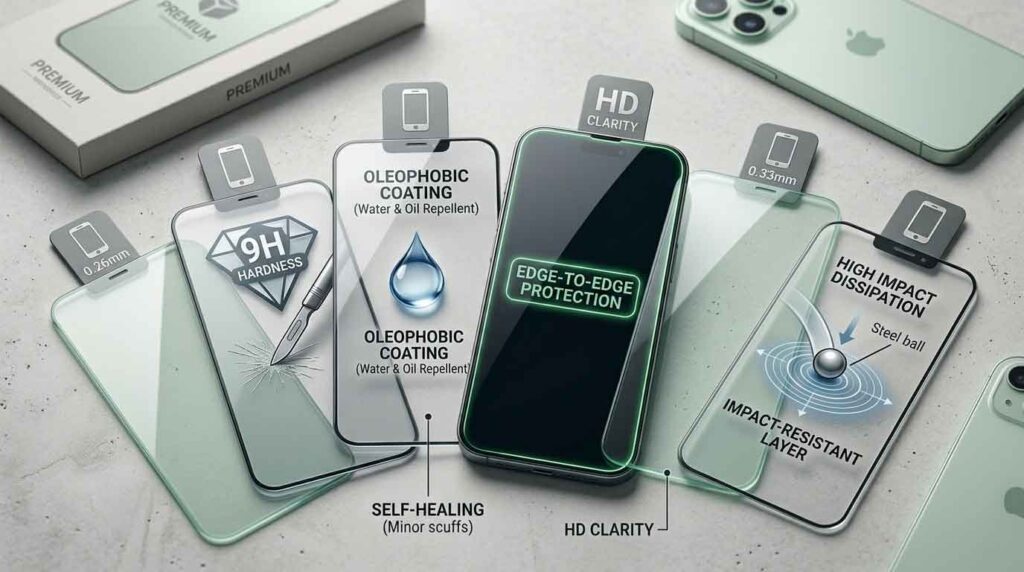
Not all tempered glass protectors are created equal, and this is where a lot of people get tricked into buying low-quality products that look fine on paper but fail in real-world use. Here are a few things I always check before buying one for my own phone.
Thickness matters more than people think. A protector that is too thin will offer minimal impact protection, while one that is too thick might affect touch responsiveness and create an awkward bezel feel around the edges of your screen. Most good tempered glass protectors fall in the range of 0.2mm to 0.4mm.
Hardness rating is another important factor. Reputable protectors will list a hardness rating on the Mohs scale, with most quality options falling between 9H. This rating indicates resistance to scratching from everyday objects like keys, sand, or rough surfaces.
Edge-to-edge coverage is something I always look for now, especially since many modern phones have curved or nearly edge-to-edge displays. A protector that does not properly cover the edges leaves vulnerable areas exposed, somewhat defeating the purpose of buying protection in the first place.
Oleophobic coating might sound like a fancy term, but it simply refers to a coating that resists fingerprints and oil smudges, making the screen easier to clean and keeping it looking fresh longer.
Lastly, I always check whether the protector is designed specifically for my exact phone model rather than a generic “universal fit,” since precision cutting around cameras, sensors, and curved edges makes a massive difference in how well the protector actually performs.
Beyond the Screen: Protecting the Back Glass Too
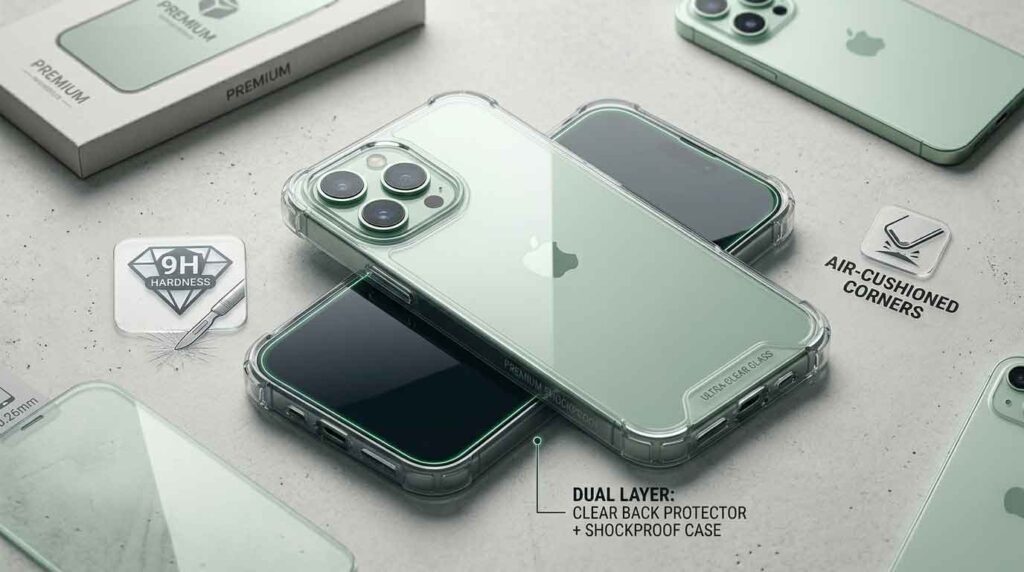
While most of the conversation around mobile glass protection focuses on the screen, I think back glass protection deserves more attention than it usually gets. With more phones featuring glass backs for wireless charging and aesthetic appeal, that surface is just as vulnerable to cracks and scratches as the front.
I learned this the hard way when I dropped my phone face-up once, only to find a hairline crack on the back glass instead. It was a strange relief that my screen survived, but it reminded me that protection needs to be a full-phone strategy, not just a front-facing one. Back glass protectors, along with a solid protective case, go a long way in keeping both sides of your device safe from everyday wear and accidental drops.
Simple Habits That Reduce the Risk of Cracked Glass
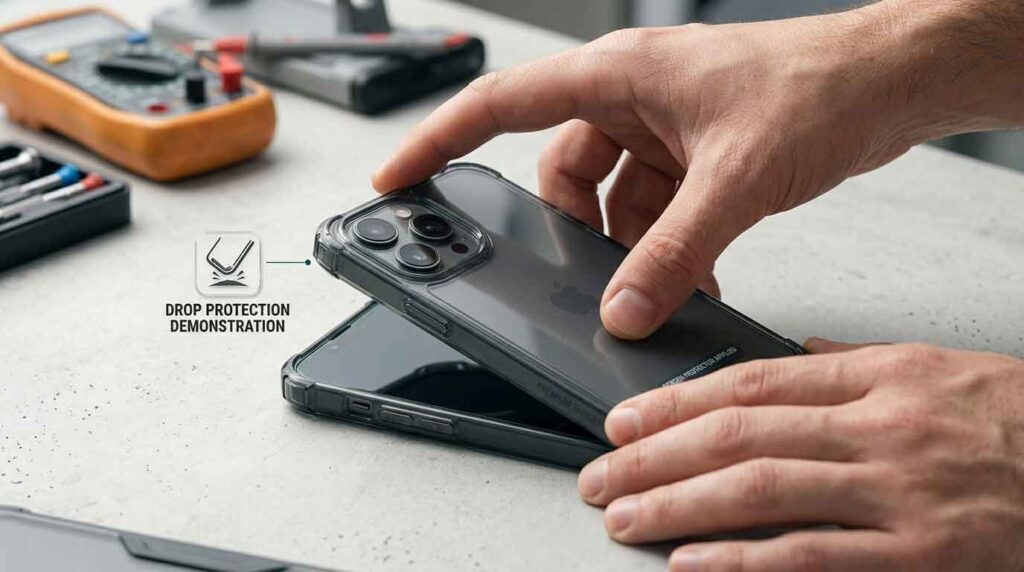
Beyond using protective accessories, there are small daily habits that genuinely reduce your risk of cracking your mobile glass. I try to avoid placing my phone on the edge of tables or couches, since those spots make it incredibly easy for the phone to slip off unexpectedly. I have also gotten into the habit of using a case with raised edges, which helps create a slight buffer zone so the screen does not make direct contact with the ground during a fall.
Another habit that has saved me more than once is simply being more mindful when handling my phone in situations involving multitasking, like walking while texting, or holding a coffee cup and my phone in the same hand. Most accidental drops happen during these distracted moments rather than while sitting still and using the phone normally.
Final Thoughts
Mobile glass might seem like a small, insignificant part of our daily lives, but considering how much we rely on our phones, protecting that fragile surface is genuinely worth the time, effort, and small investment it requires. After cracking my own screen and going through the frustrating and expensive process of repairing it, I made it a personal mission to never let that happen again, and investing in quality tempered glass protection along with a few mindful habits has kept my phone screen completely crack-free ever since.
If you take only one thing away from this post, let it be this: a few dollars spent on proper mobile glass protection today can save you from a much bigger headache, and a much bigger bill, tomorrow.
GET IN TOUCH